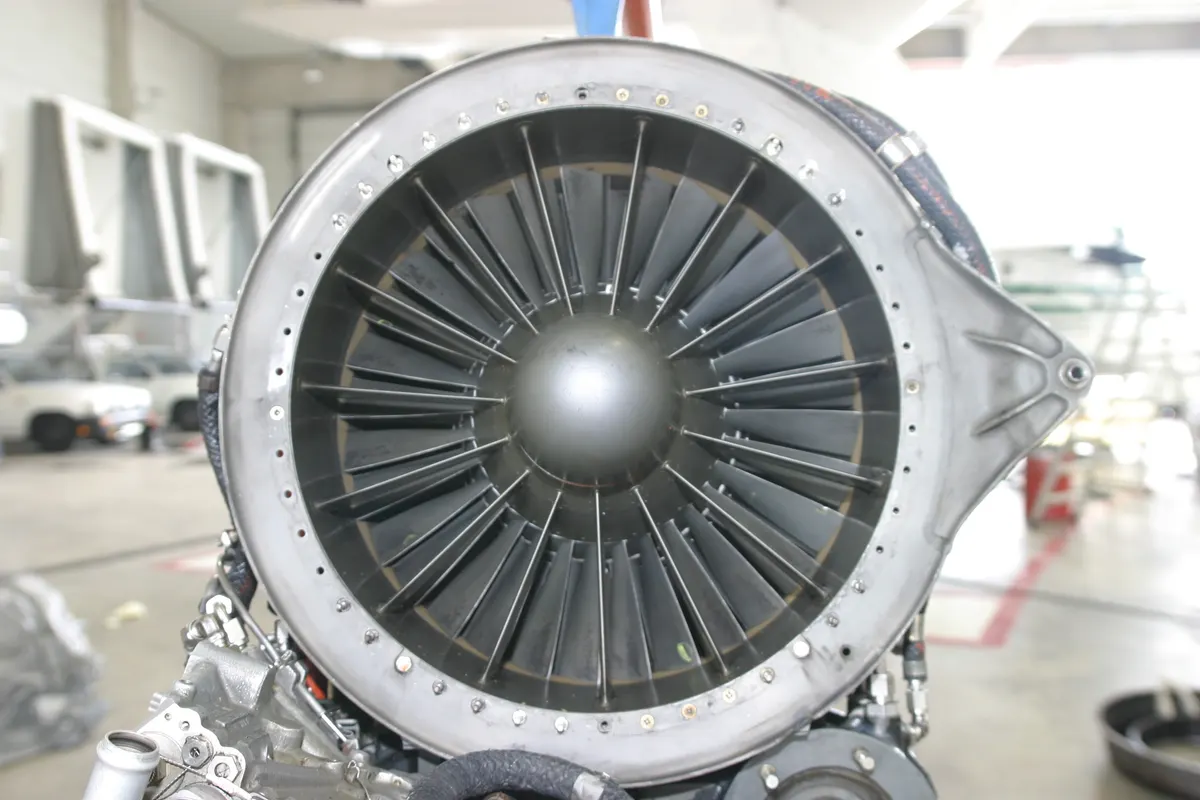
Heavy haulage for shipyards and the aerospace industry
Hardly any industry produces as distributed as shipbuilding and aerospace: sections, engines and structural components are built at different sites and have to be brought together exactly in time for the dock date or the assembly cycle. Oversize Transports handles these transports with individual weights of up to 200 tonnes – between supplier plants, shipyards and final assembly lines in the EU as well as via our own corridors to Turkey, the Caucasus and Central Asia. Shipyards, OEMs and suppliers receive door-to-door handling that links road transport, port pre- and on-carriage and coordination at the quayside.
Typical loads from shipbuilding and aerospace
- Shipbuilding structures: sections, blocks, deckhouses and hull parts
- Marine engineering: main engines, gearboxes, propellers, shaft lines and steering gear
- Equipment: deck cranes, winches, cargo hatches and superstructure modules
- Aerospace structures: fuselage sections, wing components and tail units in transport frames
- Aerospace technology: engines, landing gear, ground support equipment and test rigs
Process: feasibility, permit, transport
The feasibility study clarifies the route and the interfaces: bridge load ratings, headroom, plant and shipyard gates as well as the handover points at the quay, dock or hall. On this basis you receive a fixed-price quote. We then take over permit management – the authorisation under StVO §29 in Germany, the equivalents in the transit countries, BF3/BF4 escort vehicles as required – and agree night-driving windows with the authorities. During transport, a dedicated project manager runs the shipment, coordinates the crane, self-propelled trailer or dock tug at the handover point and is available 24/7 when a dock window shifts.
Equipment and particular requirements of sensitive large components
For compact heavy loads such as marine engines we use low-loaders and modular trailers; for bulky sections and aerospace structures, semi low-loaders and vehicle combinations with verified remaining height. Aerospace components travel in the manufacturer's own transport frames, whose mounting points and tolerances are binding inputs into the loading plan; painted sections and machined flanges are protected by lashing concepts agreed to avoid pressure marks. Crane and loading coordination at the plant, the port and the shipyard is part of the scope of services, as is timing several components to one assembly date.
Dock dates and assembly cycles: backward planning as a principle
A dock date does not move because a low-loader is stuck in traffic – and a final assembly line in aerospace keeps cycling relentlessly. We therefore plan shipyard and aerospace transports backwards from the target date: arrival windows, travel times, permit conditions and night-driving windows are set so that plannable buffers lie before the critical date. If the dock window shifts at short notice, we re-dispatch – your project manager is available around the clock and knows the cargo, the route and the alternatives.
For section-built construction we take on complete delivery series from the supplier plant to the shipyard: several components per week, consistent documentation, agreed buffer areas at the quayside. For aerospace, spare parts logistics also counts – when an engine or landing gear has to reach the maintenance facility at short notice, we dispatch individual transports with priority and a realistic date statement instead of optimistic promises. We also bring test rigs and ground support equipment for new maintenance sites to the start on time – including crane set-up and coordination of the move-in right up to the foundation.
Corridors: from the North Sea to the Caspian Sea
Alongside the European shipyard and aerospace sites we serve Turkey with its shipyard clusters as well as, via the Middle Corridor (Turkey–Georgia–Caspian Sea), the Caspian littoral states Azerbaijan, Kazakhstan and Turkmenistan – for marine engineering, port equipment and offshore components, for example. This route completely avoids Russia and Belarus; we check the sanctions situation before every shipment. We handle customs and transit clearance with T1, TIR or ATA carnet throughout, including coordination of the ferry and transhipment points. That way your component reaches the dock on time – whichever sea it lies on.