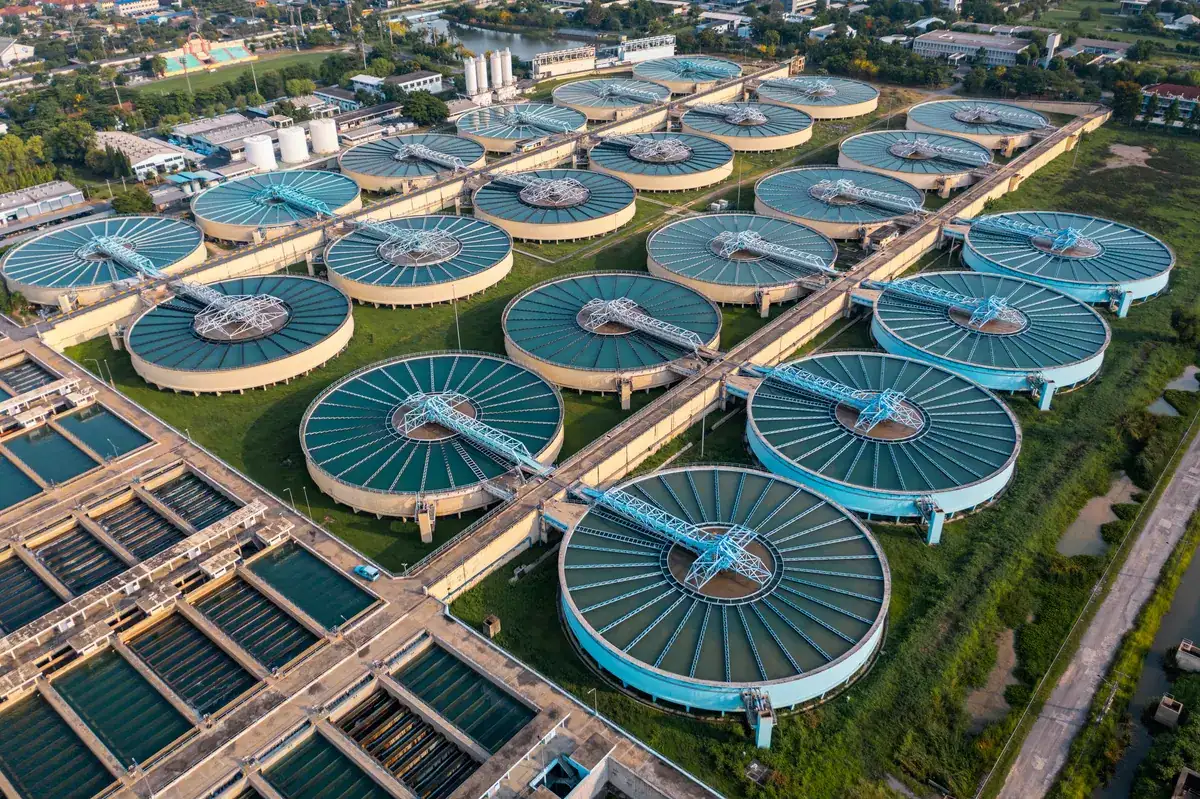
The Rhineland between Cologne, Leverkusen and Dormagen is one of the densest chemical and plant engineering regions in Europe. Whenever reactors, distillation columns, pressure vessels or heat exchangers are manufactured or replaced here, transport tasks arise that standard logistics cannot cover: pieces with excess length, width and height and piece weights running into the three-digit tonne range – often destined for refineries and chemical parks right across Europe. Oversize Transports plans and runs these modules as one continuous project up to 200 tonnes.
Typical pieces in chemical plant engineering
- Reactors and pressure vessels: high weight in a compact shape, often with pressure-tested surfaces leaving little latitude for lifting points
- Columns: excess length of 30 m and more – the curve geometry determines the route
- Heat exchangers and tube bundles: sensitive cargo with tight tolerances in load securing
- Skid modules: pre-assembled plant units with excess width and an asymmetric centre of gravity
Route and permit: from the chemical park to the refinery
Plant engineering transports from the Cologne area typically head towards the ARA ports and refinery sites in Belgium and the Netherlands, to southern Germany and Austria or to Eastern European chemical parks. Every route requires a permit as soon as standard dimensions or 40 t gross weight are exceeded – in Germany under German road traffic regulations (StVO §29), abroad under the respective equivalents (such as the RDW in the Netherlands or GDDKiA in Poland). For heavy pieces, bridge structural assessments are added, which can extend the lead time considerably. We manage all procedures across countries and in parallel.
Feasibility first: bridges, headroom, roundabouts
Before we issue a quotation, we survey the route door to door: bridge loads, headroom under bridges and power lines, roundabouts, pinch points and the access situation at the destination plant. With columns of excess length in particular, the swept path decides which route is driveable at all. The result of the survey is a fixed-price quotation – including permits, BF3/BF4 escort vehicles and coordination. We deliberately quote advance benchmarks only as ranges, because costs vary greatly depending on route, weight and permit situation.
Loading and handover at the plant
Chemical plant pieces are almost always craned on and off at the plant. We coordinate crane and loading appointments at both ends, agree lifting points and load distribution with the manufacturer and phase the delivery onto the installation window – during turnarounds, every day counts. On plant premises with their own safety requirements, we register vehicles and personnel within the deadlines.
Thinking multimodal: the Rhine as a heavy haulage axis
For extremely heavy or wide modules, we examine the multimodal variant straight away: pre-carriage by inland vessel via the Rhine to the nearest heavy-lift handling point, with road carriage only for the final kilometres. This can considerably reduce permit effort and schedule risk. Which chain is more economical is shown by the feasibility study.
Safety and documentation requirements of the chemical industry
Chemical and refinery sites place their own requirements on service providers: safety briefings, registration deadlines for vehicles and personnel, in some cases plant escorts and defined rules of conduct on the premises. We know these procedures and build them into the transport plan instead of improvising them at the factory gate. Documentation includes load distribution plans, load securing records and the agreement of lifting points with the manufacturer – particularly on pressure-tested vessels, where lifting gear may not be attached arbitrarily. On request, we provide the documents bilingually for international project partners.
These details speed up your quotation
- Drawing or data sheet with dimensions, weight, centre of gravity and lifting points
- Loading and unloading point including plant requirements
- Installation or turnaround window at the destination site
- Crane requirements at one or both ends
Project business: several pieces, one plan
Plant engineering projects rarely consist of a single transport. When reactor, columns and skids are delivered spread over weeks, we bundle permits, escort logistics and crane appointments into one project plan with one responsible project manager. That reduces costs and, above all, interface risks – you manage one project, not ten individual transports. Changes in the construction sequence we absorb by flexibly replanning the transport order, as long as the permit situation allows – and we keep you actively informed of every milestone instead of waiting to be asked.
Are you planning a module or vessel transport from the Rhineland – or in the opposite direction to the plant? Contact us on +49 (0)30 2000 8 49 49 or hsnk@zammad.com. Your personal project management is reachable around the clock.